
7 Structured Pathways
Connecting Global Expertise to India’s K–12 Education Ecosystem
India is home to one of the world’s largest and most diverse K–12 education ecosystems, shaped by multiple boards and curricula, millions of educators and school leaders, and an extraordinary range of schools, networks, institutions, and communities.
Global Expertise Meets Local Context
Explore 7 Structured Pathways
Tailored Institutional Models

1. Educator & Teacher Empowerment
Aligning Global Expertise with India’s Educators
Teachers are at the heart of every education system. As pedagogy, learning sciences, curriculum, assessment, technology, and classroom practices continue to evolve, access to relevant, global and local expertise creates new prospects for professional growth. The focus is not simply on importing international content into India, but on creating meaningful exchanges where global knowledge meets local classroom realities.
Potential Collaboration Modes:

2. Future-Ready Leadership
Engaging the People Shaping Schools
School leaders are the catalysts who turn educational innovations into meaningful practice and lasting impact. Principals, heads of school, instructional leaders, and coordinators navigate complex questions around school improvement, teaching quality, organisational development, student outcomes, and future-ready governance.
Collaboration May Include:

3. Academic, Research & Knowledge Engagement
Connecting Evidence, Research and Educational Practice
Across the world, universities, think tanks, and learning-science centres generate new knowledge about how people learn, teach, lead, and assess. India’s K–12 ecosystem offers an equally rich environment for inquiry, experimentation, and comparative dialogue.
Key Engagement Vehicles:

4. Education Ecosystem Partnerships & Engagement
Building Relationships Across Education Systems
Meaningful academic relationships rarely emerge from a single interaction. They develop through relevance, trust, and sustained engagement. We help global education organisations build strategic relationships with individual schools, school groups, networks, and associations.
Alliance Formats:

5. Digital Footprint & Audience Expansion
Extending Academic Reach Far Beyond The Campus
Digital platforms create opportunities to extend the visibility of programmes, faculty, and academic offerings to wider audiences across India. Zista helps universities build a stronger digital footprint by bringing academic offerings into high-intent educator and leadership communities.
Digital Expansion Pathways:
6. Academic Events & Experiences
Creating the Right Environment for Meaningful Dialogue
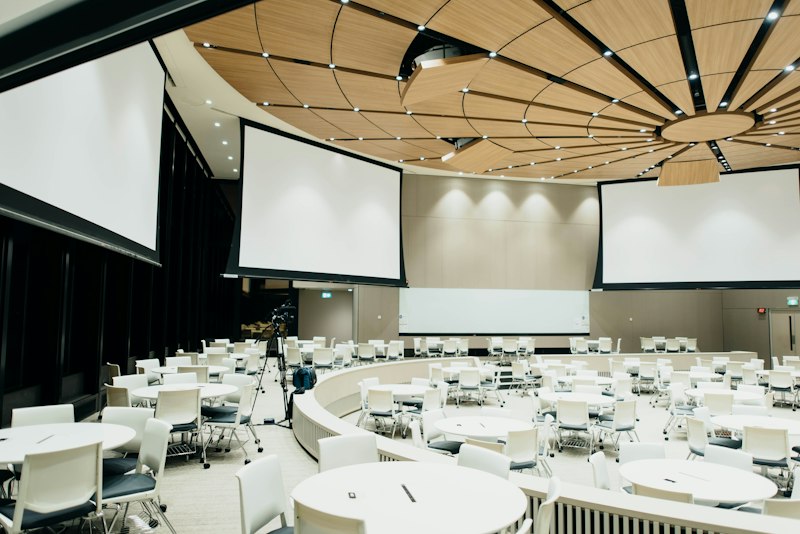
Sometimes, a conversation is the beginning of a much larger possibility. Academic conferences, leadership forums, expert roundtables, and roadshows bring global expertise face-to-face with the educators shaping India’s education landscape.
Curated Formats:

7. Transnational Education
From Academic Presence to Sustained Collaboration
India’s evolving policy landscape, including NEP 2020 and frameworks around internationalisation, multidisciplinary learning, and institutional collaboration creates unprecedented opportunities. The goal is not simply to replicate an international offering, but to explore how academic strengths can be thoughtfully adapted and contextualised.
Transnational Pathways:
Every Collaboration Is Different
There is no single way to engage with India’s K–12 education ecosystem. For one institution, the journey may begin with a faculty-led professional learning experience. For another, it may start with a research conversation, a digital masterclass, an academic conference, or a programme partnership.
Step 1
A single point of engagement becomes a continuing conversation.
Step 2
A continuing conversation matures into an institutional relationship.
Step 3
An institutional relationship evolves into an enduring academic partnership.
Global Expertise. Local Context. Educator Access.